
"Uganda coffee industry"
800 article(s) found

Introduction of Ugandan Coffee Flavor producing area with delicate fragrance
Ugandan coffee beans have a unique flavor of delicate taste, which is very suitable for making Italian and other flavors of coffee. More importantly, Ugandan coffee beans are strictly screened according to the standards of the international market to ensure their high quality and pollution-free characteristics. Africa is the hometown of two major varieties of coffee, Arabica and Robusta, while the eastern Africa enjoys a plateau water hometown and a pearl of East Africa.

Ugandan coffee beans with a delicate flavor introduce the mountains of Elgon and
Mbale on the eastern side of Mount Elgon and other producing areas on the western side near the border of the Democratic Republic of the Congo have the export name Wugar. The official ranks are Oaganic (Organic), Bugisu AA, Bugisu A, Bugisu B, Bugisu PB, Wugar, Drugar and other unlisted grades. To find a good Ugandan coffee, you must first recognize BugisuAA and A.
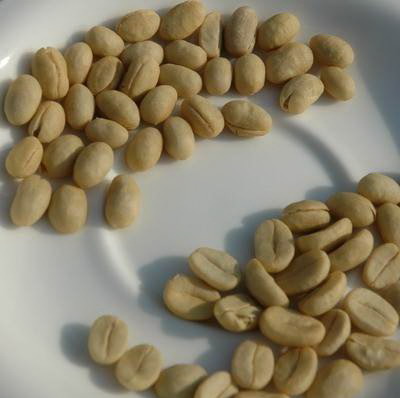
Uganda, Kenya and Tanzania are one of the major coffee exporters in Africa and the world.
Due to political instability and rampant diseases and insect pests, the coffee industry in Tanzania has been damaged, leading to a decline in the overall level of coffee and instability in quality, which in turn lead to lower prices, which are usually the result of a further decline in the coffee industry. What's more, it is estimated that more than 12% of the Arabica coffee grown in northern Tanzania from 1969 to 1985 has gone.

Flavor description of Ugandan coffee beans introduction to manors of variety producing areas by taste treatment
Mbale on the eastern side of the Elgang Mountains and other producing areas on the western side near the border of the Democratic Republic of the Congo have the export name Wugar. The official ranks are Oaganic (Organic), Bugisu AA, Bugisu A, Bugisu B, Bugisu PB, Wugar, Drugar and other unlisted grades. To find a good Ugandan coffee, you must first recognize BugisuAA and A.

Introduction to the characteristics of Ugandan Coffee
In order to improve the quality and reduce the cost of coffee, Uganda cancelled the exclusive management right of the Coffee Management Committee (Coffee Marketing Board, referred to as CMB) in November 1990. Most of the work originally undertaken by the Coffee Management Committee has now been handed over to the cooperative organization. Privatized coffee accounts for 2% of the country's export revenue, so the government levies coffee shops.

Ugandan coffee beans with fragrant taste introduce the mountains of Ruwensori in the west
Ugandan coffee beans have a unique flavor of delicate taste, which is very suitable for making Italian and other flavors of coffee. More importantly, Ugandan coffee beans are strictly screened according to the standards of the international market to ensure their high quality and pollution-free characteristics. Africa is the hometown of two major varieties of coffee, Arabica and Robusta, while the eastern Africa enjoys a plateau water hometown and a pearl of East Africa.

Characteristics and Flavor description of Ugandan Fine Coffee characteristics of Grinding scale in the area of Manor production
● Columbia Super (Colombian Supremo) has moderate acidity, medium mellow, sweet and smooth, aroma, nutty, with a hint of chocolate in the finish. Good acidity, moderate body, really sweet, nutty aroma with smooth, rich flavor. Colombian coffee beans are very good, alpine (rich in volcanic rocks, soil
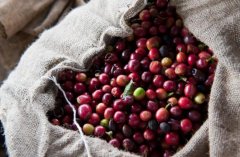
Description of planting Information and Flavor of single Coffee Bean in Uganda
For professional baristas, follow the Coffee Workshop (Wechat official account cafe_style) Uganda, the mother of Romsta in Africa, has also produced excellent high-altitude Arabian species in recent years; Romda coffee was discovered around Lake Weidoria in 1860, and there are still wild species there today. At the beginning of the 20th century, the Arab species was introduced from Malawi in South and East Africa, while Allah

Introduction of Ugandan Coffee beans introduction of Ugandan Coffee Flavor Manor
It has a low ripe fruit aroma, such as the taste of red wine, and a thick mellow thickness, which is similar to some Kenyan beans with low tone, but with a mild soil flavor, so it is quite different from other East African countries in flavor characteristics. on the contrary, it is somewhat similar to Asian Indonesian Sulawesi Tonaga coffee and Java manor coffee. With baking between City+ and Full City+

Uganda Coffee Flavor Taste Manor Introduction Uganda Fine Coffee Bean
Therefore, it is often possible to find raw beans with low moisture content and not green appearance. However, Ugandan coffee is not the type of coffee that emphasizes the aroma. As long as the raw beans are not turned or yellowed, they can generally have a good regional flavor performance. They have a low fruit ripe aroma, such as red wine taste, and a thick body. Similar to some Kenya beans with low flavor tone, but still

What is the history of coffee cultivation in Uganda?
Professional coffee knowledge exchange more coffee bean information please follow the coffee workshop (Wechat official account cafe_style) Uganda, I believe that many coffee lovers and baristas, are familiar, but also some strange. It is familiar because Ugandan coffee has recently emerged in international competitions, and several high-quality Ugandan coffees have been introduced in China. And strangers, because of Uganda.

Brief introduction of Ugandan Coffee varieties characteristics of Ugandan Sun Coffee Flavor on the North Slope of Elgon Mountain
Professional coffee knowledge exchange more coffee bean information please follow Coffee Workshop (Wechat official account cafe_style) Front Street-Uganda Sun Coffee introduction Coffee is the largest crop in Uganda and earns the most foreign exchange. 25% of the country's population is engaged in the coffee industry, and the vast majority of them grow coffee on farms (there are about 500000 coffee farms in Uganda). In Wu

Introduction to the flavor of Ugandan coffee beans, which is quite different from other East African countries in flavor characteristics.
Mbale on the eastern side of Mount Elgon and other producing areas on the western side near the border of the Democratic Republic of the Congo have the export name Wugar. The official ranks are Oaganic (Organic), Bugisu AA, Bugisu A, Bugisu B, Bugisu PB, Wugar, Drugar and other unlisted grades. To find a good Ugandan coffee, you must first recognize BugisuAA and A.

Introduction to the methods and methods for describing the Flavor of Ugandan Coffee, the degree of Grinding and the degree of Baking
Uganda is a landlocked country in eastern Africa, across the equator, most of the territory is located in the Central African Plateau, lakes, with an average elevation of 1,000,000m above sea level, with many lakes and plateaus in the mountains. The western branch of the East African Rift Valley runs through the western border, with many rivers and lakes at the bottom of the valley. There is a great Victoria Lake in Uganda, coupled with the high mountains in the country, although Uganda spans both sides of the equator, it has a climate.

Ugandan coffee beans belong to robustamol taste characteristics graded flavor description method
Ugandan coffee beans belong to Robstamol, taste characteristics, graded flavor description, the output of Farobusta species accounts for 25% 35% of coffee bean production, its main producing country is Indonesia (one of its coffee beans is a kind of coffee beans processed by washing method, it is a hybrid between Robusta and Arabica, and it is the only coffee that can be used as a single drink in the Chinese market.

Uganda Coffee production Mt.Elgon Region Elgon Mountain region
For more information on coffee beans, please follow the coffee workshop (Wechat official account cafe_style) Uganda ranks eighth in the world in coffee production, on a par with Peru and second in Africa after Ethiopia. Every year, Uganda usually produces 3 million to 4 million bags of 60 kilograms of coffee, accounting for only 2-3% of global production, far less than

Uganda's best coffee boutique coffee black coffee
Boutique coffee is fresh coffee. Whether it's food or drink, of course, the fresh the better, and so is boutique coffee. High-quality coffee should keep the coffee beans fresh before making, including the preservation of baked beans, and grind the coffee beans into powder before making, which is also to retain its original and best flavor. And the way of making hand-made coffee is such a way to make high-quality coffee.

Description of grading Flavor of Ugandan Coffee Bean introduction to the production area of Grinding Calibration Variety treatment
Uganda coffee bean graded flavor description grinding scale variety treatment production area Coffee beans are processed from the fruits of coffee trees, which grow between 25 degrees south and north latitudes around the equator (as shown below), that is, tropical and subtropical regions. At present, there are more than 60 coffee producing countries, which are distributed in South America, Central America, the West Indies, Asia, Africa and Albania.
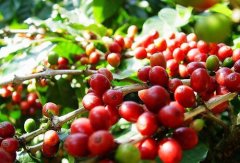
The production of Ugandan Arabica coffee beans accounts for only 10% of the country's total coffee production.
In Uganda (Uganda), Arabica coffee beans account for only 10 per cent of the country's total coffee production, but it is enough to attract attention. Uganda's best coffee is mainly produced in the mountains of Elgon and Bugisu along the Kenyan border in the north and Ruwensori in the west, and is available for export in January or February of each year. Red

Description of characteristics, price, taste and flavor of Ugandan coffee beans
Ugandan coffee bean characteristics, price, taste, flavor description, growing environment, production area introduction Ugandan coffee is not a type of coffee that emphasizes rising aroma, as long as raw beans are not 100 or yellowed, they can generally have a good flavor in the producing area, with low ripe fruit aromas, such as red wine, and thick mellow thickness, similar to some Kenyan beans with low tonality.